雅思写作:攻克雅思写作地图题
在2013年度的48场雅思考试中,非数据型图表在写作task1中密集的出现。地图题全年出现5次,流程图全年出现3次,共考过8次,高于年平均6次的历史水平。
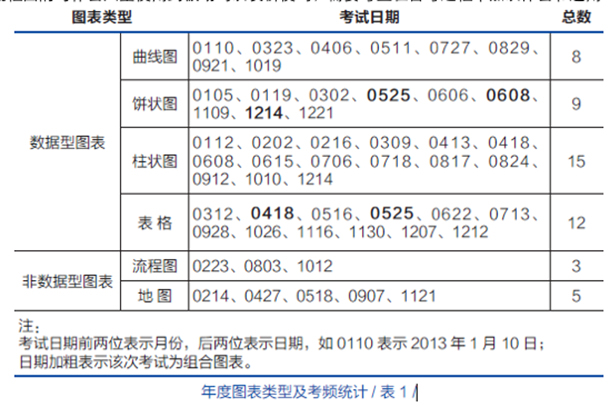
不难发现,非数据类图型在考试时间的分布上比较分散的特点。由于对非数据类图型不准确的认识,很多学生会选择在报考的时候连报两场雅思考试来避开非数据型图表,甚至是在考场上碰见地图题或流程图直接放弃写作,放弃这场考试的现象。这样一些现象的产生又进一步加剧了不了解地图题和流程图的考生的恐惧感。
在这里,南京新航道雅思频道希望通过对非数据图表中的地图题的讲解来消除考生对非数据图表作文的恐惧,打破碰到地图题得分不超过5分的魔咒。
一.认识地图题
分析近几年IELTS Writing出现过的地图题,我们可以把地图题分为两大类:一类,静态选址题;一类,动态变迁题。
静态选址题,这种题型要求考生对建筑物不同地址的利弊进行比较,多数静态选址题是在两个地址之间的比较,多于两个地址之间的比较会出现的较少。
例 1:剑桥5的Test 3


动态变迁题,这类题型要求考生对某个地理区域在不同历史年代里的情况进行比较。
例 2:


二.静态选址题的解题技巧
1.时态
解决小作文,我们首要的一个步骤就是明确全文要用的时态。一般而言,静态选址类的题目当中如果没有明确表示过去时间点的标识词,使用一般现在时或是用would/could/might等表示假设的虚拟语气形式。
2.主体段
建议各位考生按照不同的地址来划分主体段,需要比较几处地址就分成几个主体段,然后具体去写每个地址的利与弊。
3.开头和结尾
静态选址的开头和数据类图型一样改写题目就可以,结尾只需要说明不同地址各自都有优缺点,可以不去选择一个较好的地址。
4.例文讲解(例1,C5-3)
通过基础词汇和句型的讲解,我们以地址s1为例,描述出s1的准确位置,同时客观分析s1作为建立超市地址的优缺点。
The first potential[1] location (S1)is outside the town itself and is sited just off[2] the main road to the town of Hindon, lying 12 kms to the north-west.[3] This site is in the countryside and so would be able to [4] accommodate a lot of car parking. This would make it accessible to[5] shoppers from both Hindon and Garlson who could travel by car. As it is also close to[6] the railway line linking the two towns to Cransdon(25 km to the south-east), a potentially large number of shoppers would also be able to[7] travel by train.
三. 动态变迁题的解题技巧
1.时态
动态变迁题的开头段改写原题用一般现在时,主体段根据图形来决定。如果题目当中有明确表示过去和现在时间标志的词,我们按照图形使用不同的时态。如图所示,例3: The maps show the changes of a small village from 1995 to present.

很显然,在描述幅图,有明确的过去时标识词,1995,我们使用一般过去时;在描述第二幅图,存在明确的现在时标识词,present,使用一般现在时。
2.主体段落
开头段即改写原题,结尾段概括某个地理区域是如何发展变化的。
动态选址题通常按照时间顺序划分主体段。题目出现几个年代就分成几个主体段来写,每段写其中一个历史阶段,具体描述两个年代的变化和不同之处。如果有多个年代变化阶段,可以考虑把合并变化阶段来写主体段。
3..例文讲解(例 3)
开头同数据型图标文章一样,对题目做简单的改写:The maps reveal the alterations of the village of Soton over the period from 1995 to present.
主体段
首先,我们需要对幅图片进行细节的描述。从总体上说,村庄被分成了两部分。按照从南到北的角度,去描述村庄里面具体存在的建筑物。
In the first picture[8] , the village was divided into[9] three parts by two major roads. In the southern part, there was[10] a fishing port on the sea, and a fish market, which was near the port, was just located at the south side [11] of the major road. Opposite to[12] the market, there was a block of shops sitting on the other side of the road. East of the shops, a hotel and a cafe were built at the joint [13] of the two major roads. The northwest part[14] was basically a residential area, and some of the houses were surrounded by[15] a rectangular road. In addition, a farmland of great acreage occupied the northeast corner[16] , while a forest park of similar size was established[17] on the south of the farmland.
第三段,我们要做的是把“对比”做到:两幅图的不同,村庄所发生的变化。每句话做到言之有物,言之有理。考生需要清晰的有条理的指出:消失的建筑物,被替代的建筑物,新建的建筑物等。
In the second picture, the village has changed a lot.[18]The fishing port has gone and the fish market is replaced by[19] a block of apartments. Several restaurants also take up the place of [20] the shops on the road side. Moreover, a car park is newly built[21] no the east of the hotel. In addition, the housing area becomes larger and a branch road is built from the rectangular road to the west. Finally, a sports field for tennis and golf occupied[22] the place of previous farmland the forest park.
结尾段,考生仅需重申村庄有变化的事实即可。
To conclude, these years have witnessed rapid development in the village of Soton.
最后,总结一下小作文地图题的写作要点。,分清地图题的类型,是静态选址题还是动态变迁题;第二,明确文章使用的时态;第三,有条理的组织主体段的内容;最后,掌握题型的重点词汇和句型,有效的把每个方位,每个地址描述清楚。必须强调的是,地图题的中心思想依然不变,即对比。不论是对比不同的地址优缺点还是对比某地随时间发生的变化。希望通过上述讲解,各位考生可以熟练的掌握地图题的写作方法,在雅思考场上攻克地图题难关!
南京新航道学校提供专业的雅思培训、托福培训、GRE培训、SAT培训、剑桥青少英语培训等,帮助广大学子“用英语点亮人生”。
新航道致力于帮助学生提高英语能力,决胜雅思、托福、SAT、GRE等出国考试,分享励志成长、英语学习、考试信息、留学动态,尊重英语学习!南京新航道官网微信号:xhd-nanjing.
新朋友关注方法:
1、添加微信号:xhd-nanjing
2、二维码关注:保存图片——打开微信扫一扫——从相册选择二维码(适用手机端)